
Safari Overview
This 14 days Kenya & Tanzania Pro Wildlife Photography Safari is built for travellers who want more time in the field and more chances to get strong wildlife photographs. The route moves through the Maasai Mara, Serengeti, Ngorongoro, Lake Manyara, Tarangire, Amboseli and Ol Pejeta, with a stop in Arusha for views of Mount Kilimanjaro and a visit to Serval Wildlife Sanctuary.
You get a good mix of open plains, woodland, crater landscapes and mountain views. The Maasai Mara and Serengeti give you time with big cats, elephants, wildebeest, zebra and other plains wildlife, while Ngorongoro offers a concentrated wildlife experience in the crater.
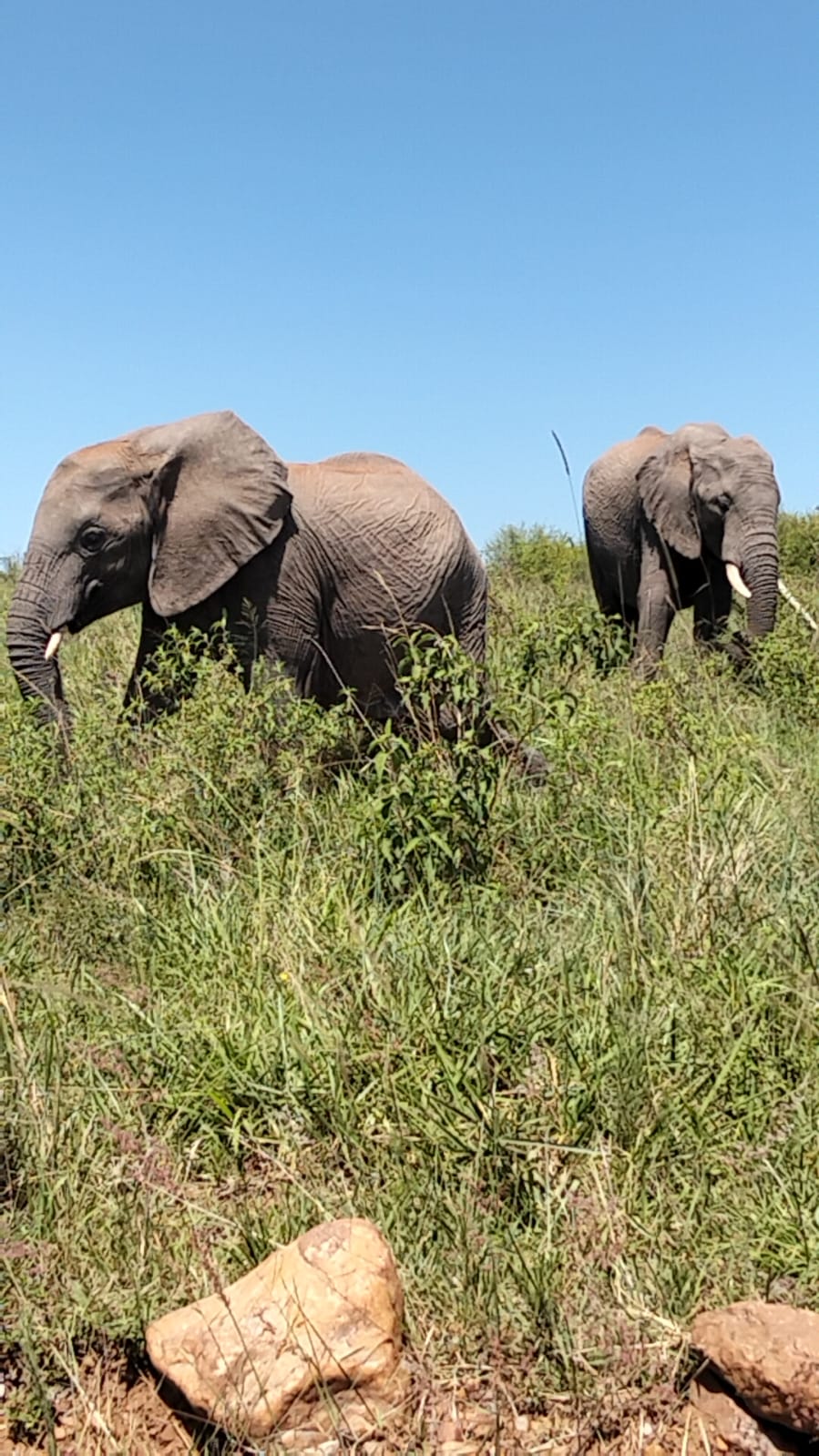
In northern Tanzania, Lake Manyara and Tarangire add different habitats and excellent birdlife, elephants and large baobab landscapes. The route then crosses back into Kenya for Amboseli, where elephants and views of Kilimanjaro are the main photography highlights, before finishing at Ol Pejeta Conservancy with more time for wildlife and conservation-focused photography.
This is not a rushed checklist safari. Game drives are planned around the best light where possible, with time to stop, wait and work on photographs instead of simply driving past an animal. A private 4×4 and photography-focused guide give you more flexibility in the field.
Best Time to Visit
June to October is one of the best periods for this route. The weather is generally drier, wildlife is easier to spot and the light can be excellent for photography.
January to March is also a strong choice, especially in the Serengeti where the calving season brings plenty of activity and young animals.
November to May can be greener and quieter. The landscapes are beautiful after the rains and birdlife is particularly good in many areas.
Animals You Can Expect to See
Mara & Serengeti
- ✓ Lion
- ✓ Leopard
- ✓ Cheetah
- ✓ Elephant
- ✓ Buffalo
- ✓ Wildebeest
- ✓ Zebra
- ✓ Giraffe
Tanzania
- ✓ Elephant
- ✓ Lion
- ✓ Buffalo
- ✓ Zebra
- ✓ Wildebeest
- ✓ Hippo
- ✓ Flamingos & waterbirds
- ✓ Antelope
Kenya Finale
- ✓ Elephant
- ✓ Lion
- ✓ Rhino
- ✓ Buffalo
- ✓ Giraffe
- ✓ Zebra
- ✓ Black & white rhino
- ✓ Birdlife
Day-by-Day Itinerary
Nairobi to Maasai Mara National Reserve
Leave Nairobi and travel towards the Maasai Mara. The road journey takes you through the Kenyan countryside before the landscape opens into the Mara.
Arrive in time for an afternoon game drive and start looking for the wildlife that makes the Mara one of Kenya’s best photography areas. Your guide will help position the vehicle for clear views and good light.
Full Day Wildlife Photography — Maasai Mara
Start early for a photography-focused game drive while the light is soft and wildlife is active. Spend time with lion, leopard, cheetah, elephant, buffalo and the many plains animals found in the reserve.
Continue through the afternoon, following recent sightings and looking for strong moments rather than rushing from one sighting to another. Depending on the season, large wildebeest and zebra herds may also be around.
Maasai Mara to Serengeti National Park
After breakfast, leave the Maasai Mara and cross into Tanzania before continuing towards the Serengeti. The scenery changes as you move from the Mara ecosystem into the wider Serengeti plains.
Arrive in the Serengeti later in the day and, if time allows, head out for an afternoon drive. This first look gives you a chance to start finding wildlife before returning to camp.
Full Day Wildlife Photography — Serengeti
Start before sunrise for some of the best light of the day. Follow fresh tracks and recent sightings in search of lion, leopard, cheetah, elephant and other wildlife.
Take a break for lunch, then head out again in the afternoon. With more time in the Serengeti, you can wait for behaviour and work on different compositions instead of only collecting quick sightings.
Full Day Wildlife Photography — Serengeti
Spend another full day in the Serengeti, using the changing light to photograph wildlife across the open plains. Look for wildebeest, zebra, giraffe, elephants, antelope and the smaller animals and birds around the grasslands.
Your guide will adjust the route around wildlife movement and weather. Late afternoon light can be especially good for silhouettes, dust and wide landscape shots.
Serengeti to Ngorongoro Conservation Area
Enjoy a final morning drive in the Serengeti (optional) before leaving the park. Continue towards the Ngorongoro Conservation Area as the open plains give way to the cooler highlands.
Arrive near the crater in the afternoon and settle into your lodge or camp. The evening is free to rest and prepare for the crater photography the next day.
Ngorongoro Crater — Full Day Safari
Descend into the Ngorongoro Crater early for a full day game drive. The crater floor holds a high concentration of wildlife, giving you good opportunities for lion, elephant, buffalo, zebra, wildebeest and hyena.
A picnic lunch is taken in the crater before continuing the drive. With luck, you may also photograph black rhino. The crater walls and changing light give the day a strong landscape element as well.
Ngorongoro to Lake Manyara
After breakfast, leave the Ngorongoro highlands and drive towards Lake Manyara. The park is smaller than the Serengeti but has a very different feel, with woodland, groundwater forest, open areas and the lake itself.
Spend the afternoon on a game drive looking for elephant, buffalo, giraffe, monkeys and birdlife. Depending on water levels and season, the lake can also attract large numbers of waterbirds.
Lake Manyara to Tarangire National Park
Leave Lake Manyara after breakfast and continue towards Tarangire National Park. The landscape becomes drier and the large baobabs start to appear.
Enjoy an afternoon game drive around Tarangire, an excellent place for elephant photography. The park also has giraffe, zebra, buffalo, antelope and plenty of birdlife, with baobabs adding strong backgrounds to your images.
Tarangire to Arusha — Kilimanjaro & Serval
After breakfast, leave Tarangire and drive towards Arusha. On a clear day, you may get views of Mount Kilimanjaro as you approach the area.
Visit Serval Wildlife Sanctuary for a guided wildlife experience, then continue to your Arusha hotel. It is a change of pace from the national parks and gives you time to enjoy another side of northern Tanzania.
Arusha to Amboseli National Park
After breakfast, leave Arusha and travel back into Kenya towards Amboseli National Park. The route takes you through the border area and into the dry landscapes around Amboseli.
Arrive in time for an afternoon game drive. If the weather is clear, the first views of Mount Kilimanjaro can make a great backdrop for wildlife photography.
Full Day Wildlife Photography — Amboseli
Start early for the best chance of photographing elephants and other wildlife with Mount Kilimanjaro behind them. Amboseli is known for large elephant herds and open views, especially around the swamps.
Spend the afternoon on another drive, looking for giraffe, zebra, buffalo, hippo and birds. The changing light around Kilimanjaro can give you very different images through the day.
Amboseli to Ol Pejeta Conservancy
After breakfast, leave Amboseli and travel north towards the Laikipia region and Ol Pejeta Conservancy. It is a longer transfer day, but the scenery changes from the Amboseli plains to the greener highlands of central Kenya.
Arrive at Ol Pejeta later in the day and settle into your lodge. If time allows, take a short evening drive to begin exploring the conservancy.
Full Day Wildlife Photography — Ol Pejeta & Departure
Spend your final morning on a photography-focused game drive in Ol Pejeta. The conservancy is well known for rhino conservation, and you may also see lion, elephant, buffalo, giraffe, zebra and many bird species.
Enjoy a final game drive or conservation experience before leaving the conservancy. Later, transfer towards Nairobi for your onward flight or final hotel, marking the end of the safari.
Optional Nairobi Experiences Before Your Flight
If your flight is later in the evening, we can arrange one or more optional Nairobi activities before taking you to the airport. Choose from the Giraffe Centre, Sheldrick Wildlife Trust, Karen Blixen Museum or lunch at the famous Carnivore Restaurant. The exact activities depend on your flight time and the day's traffic.
- ✓ City Tour — explore Nairobi's highlights
- ✓ Giraffe Centre — see and feed Rothschild's giraffes
- ✓ Sheldrick Wildlife Trust — visit the elephant rescue and rehabilitation centre
- ✓ Karen Blixen Museum — visit the former home of the author of Out of Africa
- ✓ Carnivore Restaurant — enjoy lunch before heading to the airport
After your chosen Nairobi activity or lunch, continue to the airport for your departure flight. We recommend allowing enough time for traffic and airport check-in, especially for international flights.
What's Included & Excluded
Included
- Airport pickup and final airport drop-off
- 2 nights in a luxury Maasai Mara camp
- 3 nights in a luxury Serengeti camp
- 1 night near Ngorongoro Crater
- 1 night at Lake Manyara
- 1 night in Tarangire National Park
- 1 night in Arusha
- 2 nights in Amboseli
- 2 nights at Ol Pejeta Conservancy
- Full board meals during the safari
- Private 4×4 safari vehicle and professional guide
- Photography-focused game drives and flexible stops
- Kenya and Tanzania park/conservation fees
- Serval Wildlife Sanctuary visit
- All road transfers between safari destinations
- 24/7 support from Wild Safaris & Travel
Not Included
- International flights
- Kenya and Tanzania visa fees
- Travel & medical insurance
- Camera bodies, lenses, memory cards or other personal equipment
- Optional activities not listed in the itinerary
- Alcoholic & premium beverages
- Gratuities for guide, drivers & lodge staff
- Personal expenses
Frequently Asked Questions
This itinerary is 14 days and 13 nights. It combines the Maasai Mara, Serengeti, Ngorongoro, Lake Manyara, Tarangire, Arusha, Amboseli and Ol Pejeta.
Yes. The route is designed around longer time in the field, private game drives and flexible photography stops. We can also discuss vehicle setup, seating and other photography needs when planning the trip.
You can look for lion, leopard, cheetah, elephant, buffalo, rhino, giraffe, zebra, wildebeest, hippo and many antelope and bird species. Sightings are never guaranteed and depend on season and animal movement.
Yes. Game drives are planned to give you time around the early morning and late afternoon light where park rules and driving conditions allow. These are often the best times for wildlife photography.
Yes. The Arusha section includes time for Mount Kilimanjaro views where weather allows and a visit to Serval Wildlife Sanctuary.
Yes. The safari is planned around a private 4×4 vehicle and professional guide, giving you more flexibility to spend time at photography sightings and adjust the route around wildlife activity.
June to October is popular for dry weather and wildlife viewing, while January to March is excellent for the Serengeti calving season. The greener months can also be very good for landscapes and bird photography.
Visa requirements depend on your nationality. We can guide you through the Kenya and Tanzania visa process and the documents needed before travel.